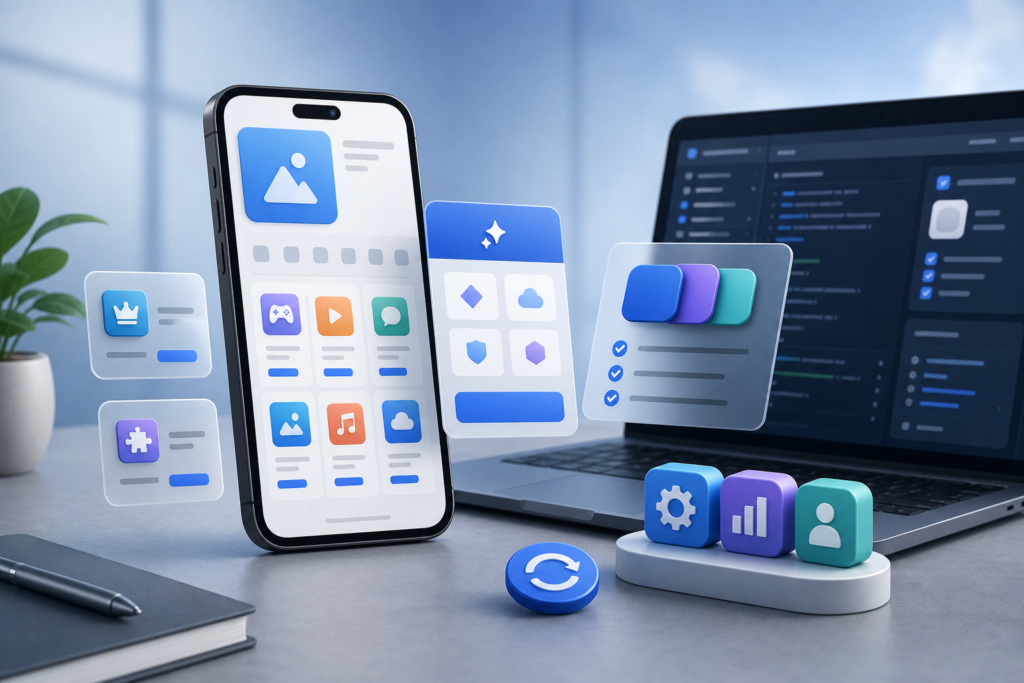
App Store subscription bundles are one of the most useful App Store changes Apple is preparing for developers and users in 2026. Announced around WWDC26, the update is designed to let developers package subscriptions in more flexible ways, including bundles that can include apps from more than one developer, group purchases, volume purchasing and new subscription options inside Apple’s existing In-App Purchase system.
For everyday iPhone, iPad and Mac users, the headline is simple: subscriptions on the App Store could become easier to share, easier to buy for teams or families, and potentially better value when multiple apps are sold together. For developers, the bigger story is that Apple is expanding the tools in App Store Connect and StoreKit 2 while also continuing to update its developer terms and App Review policies.
What Apple announced for App Store subscription bundles
Apple says it is rolling out new App Store capabilities to help developers market apps, reach new users and offer more flexible business models. The most notable subscription change is support for new App Store Bundles that can go beyond a single developer’s own catalogue. In plain English, Apple wants to let separate developers partner together and offer multiple subscriptions in one package at a better combined price.
That matters because many people already use several paid apps together. A creator might use a writing app, a design app and a project management app. A student might use a notes app, a flashcard app and a cloud storage utility. If those developers can package subscriptions together through the App Store, users may get a simpler buying experience and a clearer reason to try related apps.
Why App Store subscription bundles matter for users
The main benefit for users is convenience. Instead of juggling several separate subscriptions, a bundle can make a set of related apps easier to understand and manage. Apple’s App Store already handles billing, renewals and subscription cancellation from the user’s Apple Account, so expanding bundles keeps that experience inside a familiar place.
There is also a potential value angle. Apple describes these bundles as a way for users to subscribe to multiple favourite apps “for less”. That does not guarantee every bundle will be cheaper or better for every person, but it does mean developers will have a new way to create packages that compete on price and usefulness.
Key App Store changes coming with the subscription update
Cross-developer subscription bundles
Cross-developer bundles are the biggest shift. Until now, subscription packaging has generally been tied to one developer’s own apps and services. Apple’s new model is expected to let different developers work together on subscription packages, which could help smaller independent apps create more attractive offers without needing to be owned by the same company.
Group purchases for shared access
Apple is also preparing group purchases. This will let one subscriber buy seats and invite other people to use the subscription from their own Apple Accounts. The idea is especially useful for small teams, creative groups, families, clubs and other shared workflows where more than one person needs access.
Volume purchasing for businesses and schools
For organisations, Apple says volume purchasing will work through Apple Business Manager and Apple School Manager. That means companies and schools will be able to buy and assign subscriptions using device management systems they already use. For users, this could make paid work or education apps appear more smoothly on managed iPhones, iPads and Macs.
New 12-month commitment plans
Apple’s WWDC26 App Store guidance also highlights monthly subscriptions with a 12-month commitment. This could give developers a middle ground between standard monthly billing and a full annual subscription paid upfront. Users should still compare the total yearly cost before choosing a commitment plan, because a lower monthly price may come with less flexibility.
How this affects developers and app pricing
For developers, the new tools are mainly about flexibility. App Store Connect is gaining a more streamlined submission experience for In-App Purchases, and StoreKit 2 is being used to support the newer subscription models. Developers may be able to create more targeted offers, reduce churn and make subscriptions easier to sell to teams or organisations.
At the same time, developers will need to watch Apple’s updated agreements, App Review Guidelines and regional rules. Apple has been making repeated policy changes around external purchase links, EU Digital Markets Act compliance, developer terms and App Store business models. That means developers should not assume every feature, fee or purchase flow works the same in every country.
What iPhone, iPad and Mac users should watch for
If you are an everyday Apple user, there is nothing urgent to do today. These App Store subscription changes are rolling out in stages, with some features expected later in the year or winter. When they appear, the important thing is to read the subscription screen carefully before confirming any purchase.
- Check whether a bundle includes apps you will actually use.
- Compare the bundle price with buying individual subscriptions separately.
- Look for commitment terms, especially if a plan is monthly but locked for 12 months.
- Review renewal dates in Settings under your Apple Account subscriptions.
Should users take action now?
Most users should simply stay aware. The arrival of App Store subscription bundles could be positive if it creates better deals and simpler shared access. But as with any subscription, the best choice depends on how often you use the apps and whether the package genuinely saves money.
Developers, however, should review Apple’s official App Store and developer documentation. If your app depends on subscriptions, team access, education purchasing or business licensing, these changes could affect your product roadmap and pricing strategy.
Final thoughts
App Store subscription bundles could become one of Apple’s more practical App Store changes in 2026. They are not as flashy as a new iPhone feature, but they may change how people pay for useful apps. If Apple executes the rollout clearly, users could get simpler packages and developers could get better tools to sell subscriptions without building their own complex billing systems.
FAQs
What are App Store subscription bundles?
They are subscription packages sold through the App Store that can include multiple apps or services. Apple’s 2026 update is expected to support broader bundles, including packages involving apps from different developers.
Will App Store bundles be cheaper?
Apple says bundles can let users subscribe to multiple apps for less, but each offer will depend on the developers involved. Users should compare the bundle price with separate subscriptions before buying.
Can different developers be part of one bundle?
Yes, Apple has described new App Store Bundles that can expand beyond a single-developer catalogue. That could allow independent developers to partner on subscription packages.
Do users need to update iOS to use these features?
Apple has not framed this as an urgent user update. However, App Store and StoreKit features often work best on current software, so keeping iPhone, iPad and Mac devices updated is still a good idea.
Where can developers learn more?
Developers should read Apple’s official WWDC26 App Store guide and Apple’s App Store capabilities announcement for current details.
Leave a Reply