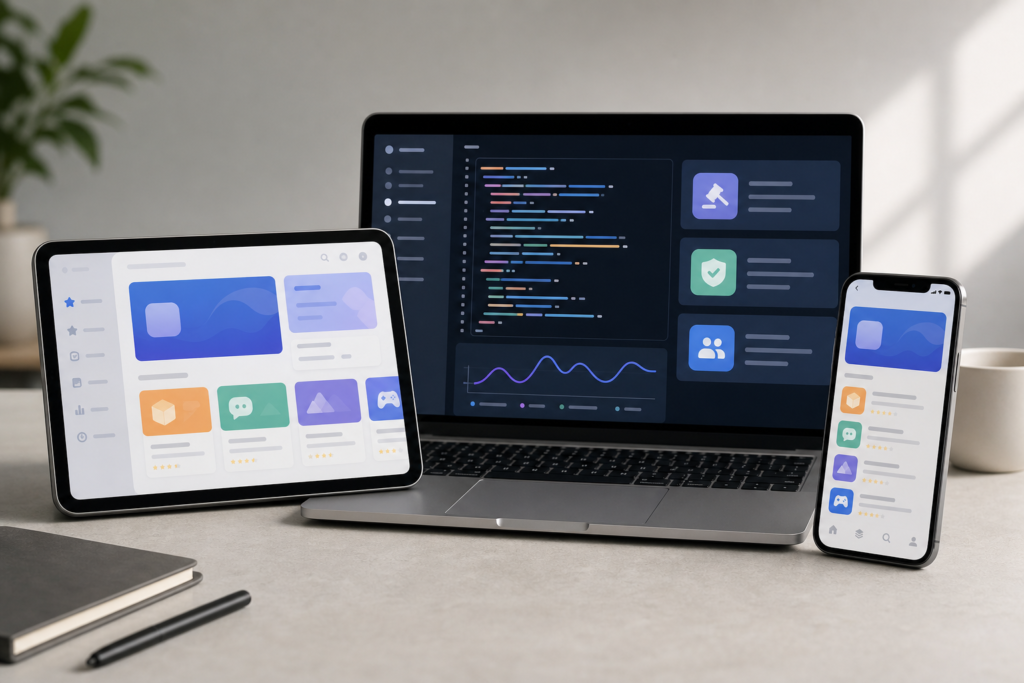
Apple has updated the Apple Developer Program License Agreement and App Store Review Guidelines, giving developers a fresh set of rules to accept and follow. The latest changes, published by Apple on June 8, 2026, cover developer identity, new Apple frameworks, AI and machine learning, App Store Connect information, protections for minors, In-App Purchase clarification, and tighter App Review language around low-quality apps and misuse of Live Activities.
For most iPhone, iPad and Mac users, this is not a software update you install. But it still matters. Developer agreements shape which apps get approved, what developers must disclose, how Apple technologies can be used, and what protections are expected when apps include user-generated content, AI features, purchases, passes, or features aimed at younger users.
What changed in the Apple Developer Program License Agreement?
Apple says the revised agreement supports new features, updated policies and clearer wording. Developers are being asked to sign in to their Apple Developer account and accept the updated terms before continuing with program activity.
The headline changes include more specific requirements around developer identity and responding to Apple’s questions, including in the context of export compliance. That means developers may need to provide accurate account, business, app and compliance information when Apple requests it.
Apple also added or clarified requirements for several frameworks and APIs, including the Sensitive Content Analysis framework, Suggested Actions API, Trust Insights framework, Media Device Extension framework, Spatial Audio Extension APIs, Customer Engagement APIs and Foundation Models framework. These are developer-facing technologies, but they can influence the privacy, safety, intelligence and experience of future apps.
Why this matters for Apple users
The Apple Developer Program License Agreement is not just paperwork for app makers. It helps define the baseline for apps distributed through Apple’s ecosystem. When Apple clarifies developer identity requirements, content safety obligations or rules for AI features, users may see the result as safer apps, fewer spammy experiences and clearer accountability when something goes wrong.
One practical example is Apple’s updated language around content that violates App Review rules. Apple’s revised guidelines make it clearer that developers are responsible for handling content inside their apps, not simply submitting the app and walking away. For apps with social, messaging, marketplace, community or creator features, that can affect moderation expectations.
Key App Store Review Guideline updates
Apple’s App Review Guidelines were also updated. According to Apple’s developer notice, the introduction now includes revised kid and teen safety guidance. Guideline 1.2 adds a new paragraph clarifying developer responsibilities for content that violates the guideline.
Apple also clarified sections 4.3(a) and 4.3(b), which are commonly associated with spam, low-value or repetitive apps. Reporting from MacRumors and 9to5Mac noted that Apple has strengthened language around apps that do not add enough value to the App Store. For users, that could mean Apple has more room to reject or remove low-effort clones, generic templates and apps that appear designed mainly to crowd search results.
Another notable change is guideline 4.5.3. Apple now clarifies that Live Activities may not be used to spam, phish or send unsolicited messages to customers. That is important because Live Activities appear prominently on the Lock Screen and Dynamic Island, so misuse would be especially disruptive.
AI, Foundation Models and Apple Intelligence context
Apple grouped AI and machine learning technologies under a new subsection in the developer agreement and updated requirements for the Foundation Models framework. This fits the broader direction of Apple platforms, where more apps can use on-device intelligence, system frameworks and privacy-focused machine learning features.
For developers, the message is straightforward: if an app uses Apple’s AI-related frameworks, it must follow Apple’s specific terms for those technologies. For users, the benefit should be clearer rules around how apps integrate intelligent features, especially where sensitive content, suggestions, trust signals or user data are involved.
EU app distribution and external purchase links
This June 2026 update is separate from Apple’s broader Digital Markets Act changes in the European Union, but the developer-policy backdrop is important. Apple’s EU support pages continue to explain alternative distribution, browser engine options, payment choices and external purchase link entitlements for developers operating in EU storefronts.
Should developers take action?
Yes. Developers should review the updated agreement and App Review Guidelines, then accept the new terms in their Apple Developer account. Teams should pay particular attention if their apps use AI or machine learning features, Live Activities, user-generated content, In-App Purchase, Passes, external services, minor-focused experiences or App Store Connect automation.
It is also a good time to audit App Store metadata, privacy disclosures and moderation processes. If Apple asks for identity or compliance information, developers should respond accurately and promptly. Delays or inconsistent information can create unnecessary review and account issues.
What everyday users should watch for
Users do not need to do anything immediately. There is no iOS setting to change and no app update required just because Apple revised the agreement. Still, these policy changes may influence future app updates, especially in categories involving AI features, social content, subscriptions, purchases, Live Activities and apps for younger audiences.
If Apple enforces the clarified low-quality app language more aggressively, users may eventually see cleaner search results and fewer copycat apps. If developers follow the revised safety guidance well, users should also see better handling of harmful content and fewer abusive notification-style experiences.
Final thoughts
The latest Apple Developer Program License Agreement update is a developer-focused change, but it has real consequences for the apps people use every day. The biggest themes are accountability, clearer rules for newer Apple frameworks, safer experiences for younger users, and stronger guidance against spammy or low-value behaviour.
For developers, the smart move is to review the new terms now rather than waiting for the next App Review submission. For users, the update is another reminder that App Store quality is shaped not only by hardware and software features, but also by the rules Apple sets for developers.
FAQs
What is the Apple Developer Program License Agreement?
It is the agreement developers accept to use Apple developer tools, services, APIs and distribution options. It sets rules for building and distributing apps across Apple platforms.
Do iPhone users need to accept anything?
No. This update is for developers, not regular iPhone users. Users may only notice the effects later through app updates, review decisions or changes in App Store quality.
What changed in the App Store Review Guidelines?
Apple clarified kid and teen safety guidance, developer responsibility for violating content, low-quality app rules, and restrictions against using Live Activities for spam, phishing or unsolicited messages.
Does this confirm new Apple Intelligence features?
No. The agreement references AI and machine learning technologies and updates requirements for the Foundation Models framework, but policy text should not be treated as a product announcement.
Are the EU DMA rules part of this update?
The June 2026 agreement update is separate from Apple’s EU DMA support pages, but developers may need to consider both when distributing apps in EU storefronts.
Sources: Apple Developer News, App Store Review Guidelines, Apple EU DMA support, MacRumors, 9to5Mac.
Related reading: App Store Changes at WWDC 2026: What Users Need to Know.
Leave a Reply